
Optimal Timing for Water Heater Service
Water heater service is essential for maintaining optimal performance, extending lifespan, and preventing unexpected breakdowns. Regular maintenance can identify issues early, saving costs and ensuring reliable hot water supply. The best time to schedule service depends on usage patterns, local climate, and manufacturer recommendations.
Scheduling service before peak usage seasons, such as winter, ensures the water heater operates efficiently during high demand.
Performing maintenance annually or biennially helps identify corrosion, sediment buildup, and component wear.
After repairs or replacement, routine inspections help maintain performance and prevent future issues.
Following specific service intervals suggested by the manufacturer ensures warranty compliance and optimal operation.
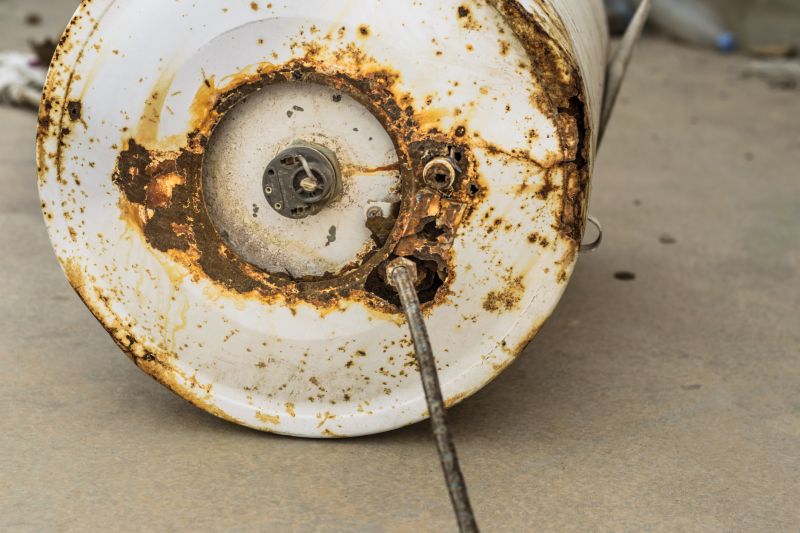
Routine inspections help detect early signs of corrosion or sediment buildup.
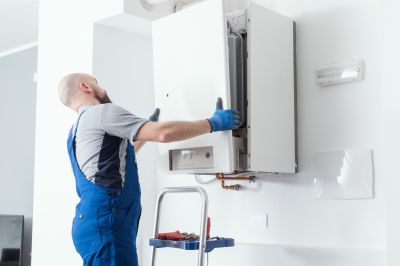
Removing sediment improves efficiency and extends the lifespan of the unit.
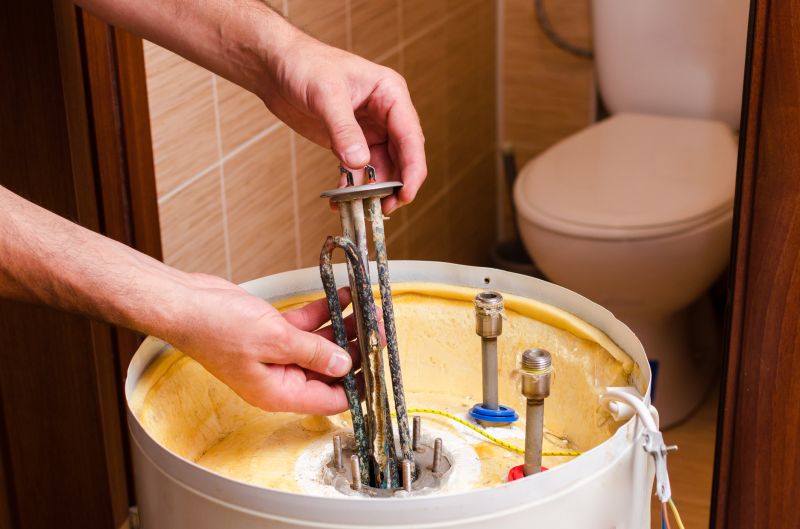
Replacing worn parts ensures continued reliable operation.
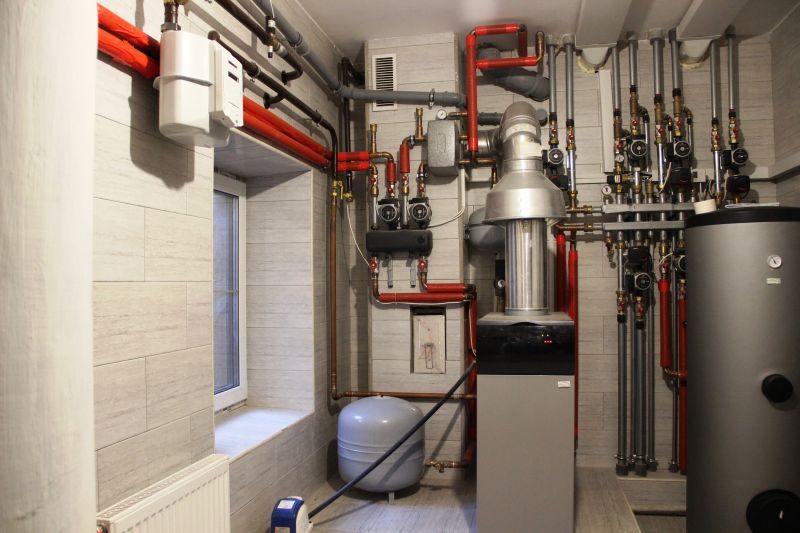
Ways to make Water Heater Service work in tight or awkward layouts.
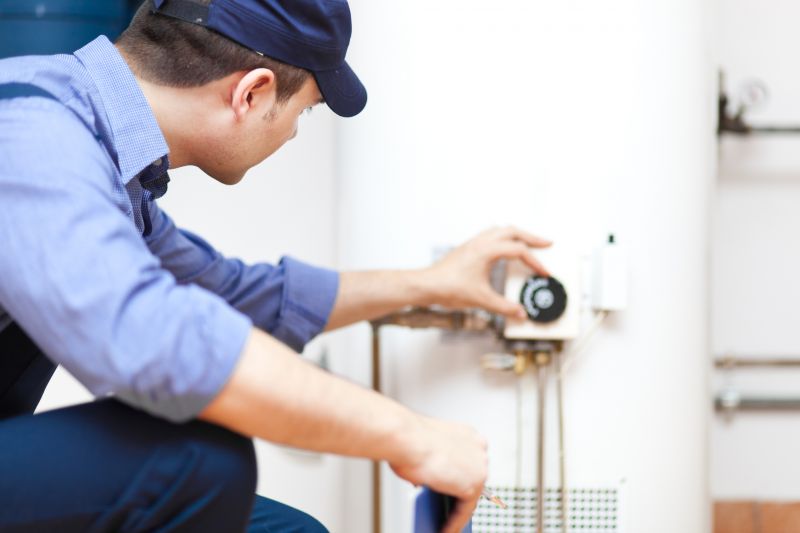
Popular materials for Water Heater Service and why they hold up over time.
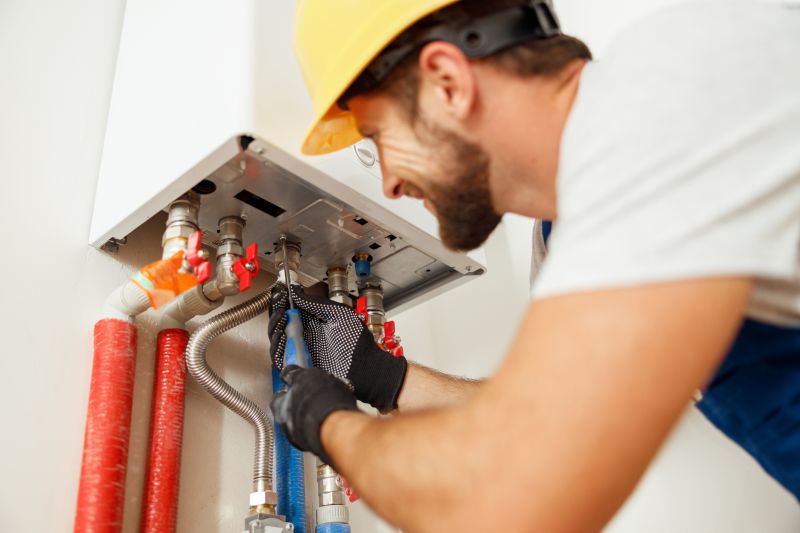
Simple add-ons that improve Water Heater Service without blowing the budget.

High-end options that actually feel worth it for Water Heater Service.
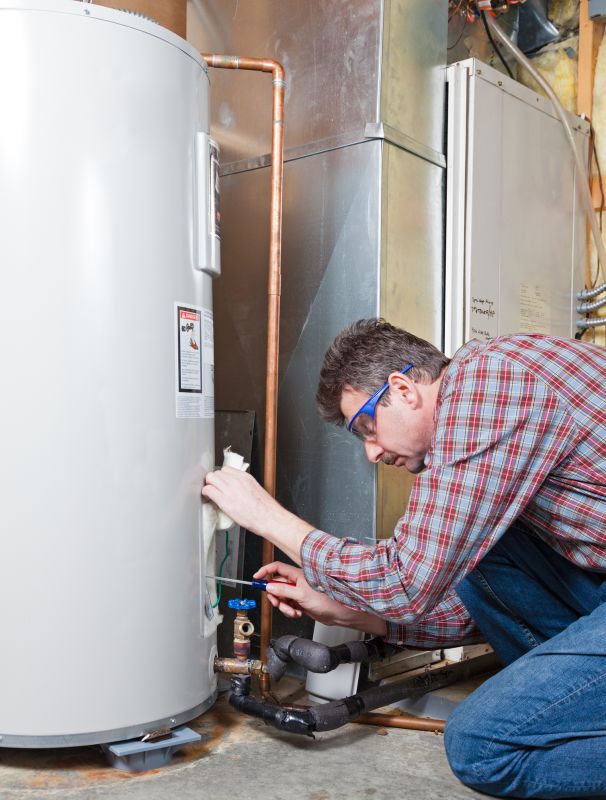
Finishes and colors that play nicely with Water Heater Service.
| Best Time for Service | Key Benefits |
|---|---|
| Pre-Winter | Ensures hot water during cold months and prevents freezing issues. |
| Spring | Prepares the unit for increased use in warmer months. |
| After Heavy Use | Addresses wear from high demand periods. |
| Before Long Absences | Prevents issues during periods of inactivity. |
| Manufacturer Recommended Interval | Maintains warranty and optimal performance. |
Water heater service involves various procedures such as flushing out sediment, inspecting anode rods, testing thermostats, and replacing worn components. Sediment buildup is a common issue that reduces efficiency and increases energy costs. Regular maintenance can improve energy consumption by up to 30%, according to industry statistics. Proper servicing also reduces the risk of leaks and water damage, which can be costly to repair.
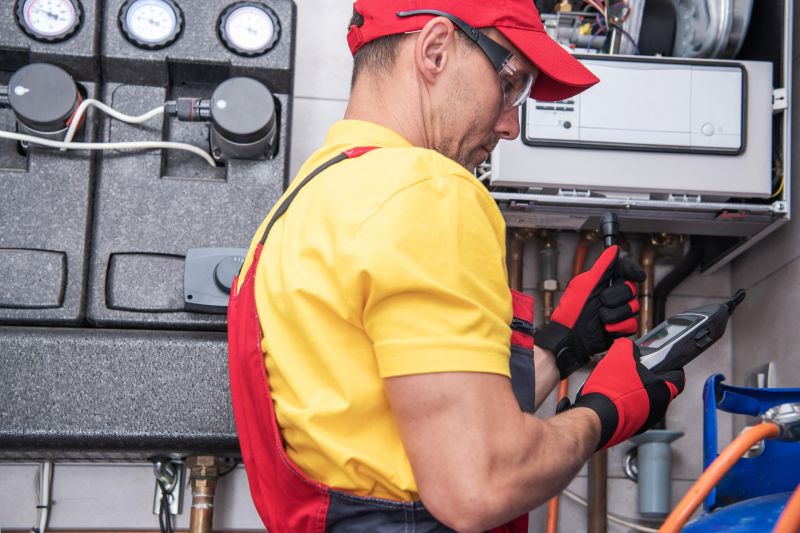
Removing sediment buildup for improved efficiency.
Prevents tank corrosion and extends lifespan.
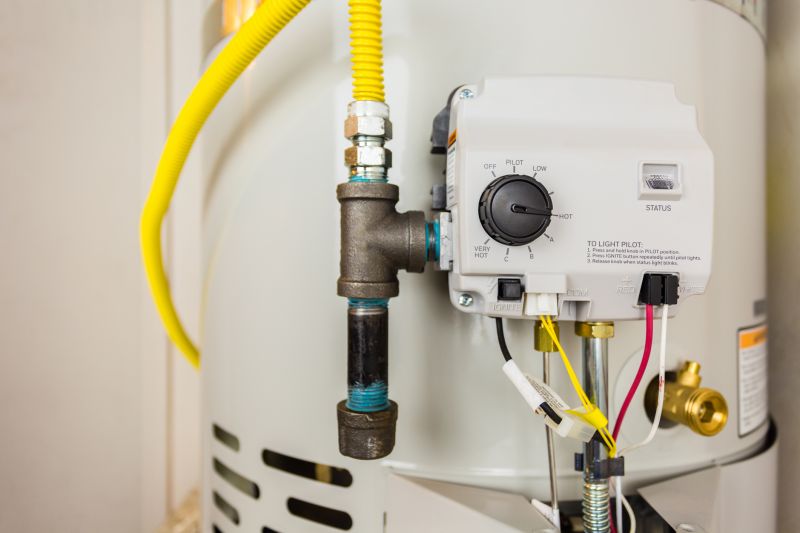
Ensures accurate temperature regulation.
Replacing faulty parts to maintain performance.
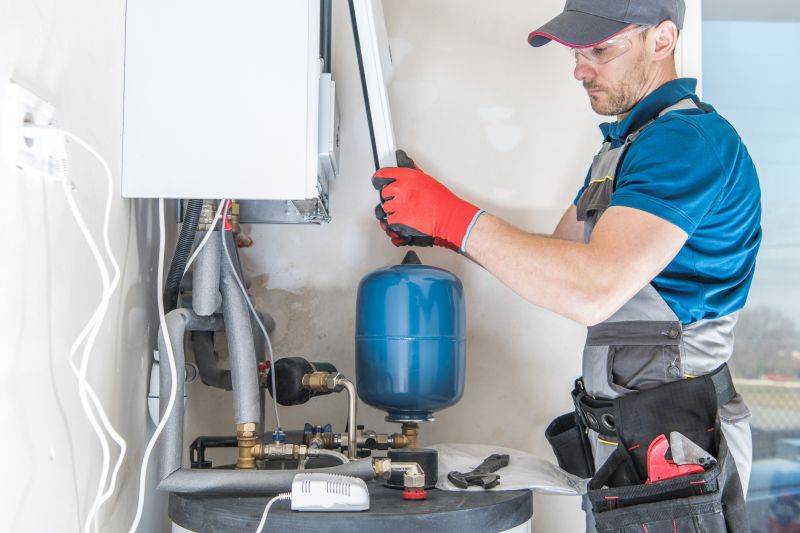
A 60-second routine that keeps Water Heater Service looking new.
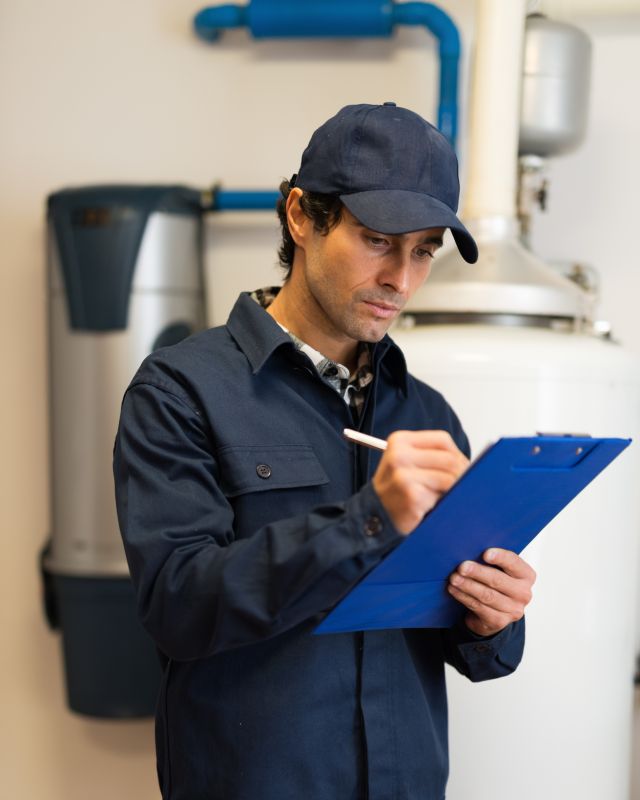
A frequent mistake in Water Heater Service and how to dodge it.
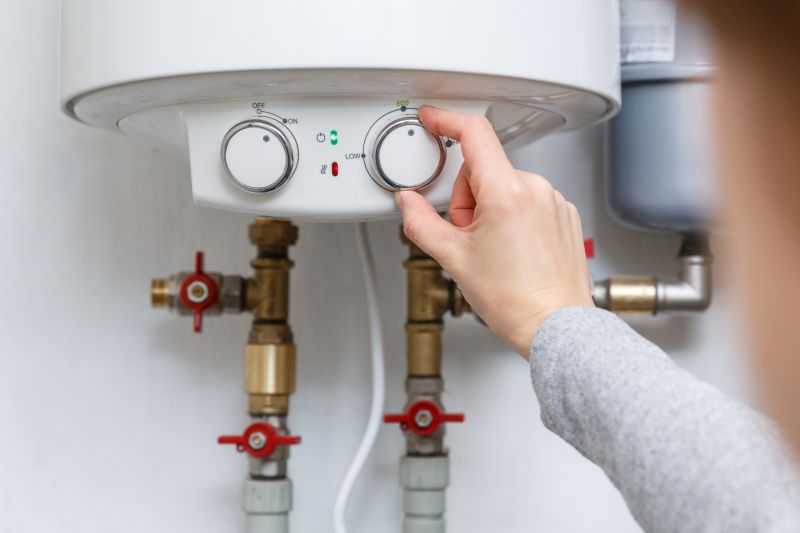
Small tweaks to make Water Heater Service safer and easier to use.
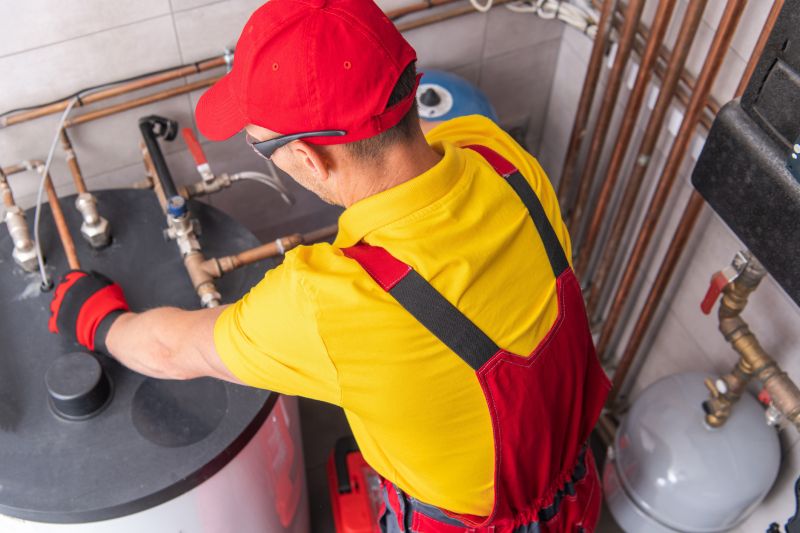
Lower-waste or water-saving choices for Water Heater Service.
Scheduling water heater service at appropriate intervals ensures continuous hot water supply and reduces energy costs. Regular inspections can identify issues before they escalate, preventing costly repairs and extending the unit's lifespan. Homeowners are encouraged to contact professionals for comprehensive assessments and maintenance tailored to their specific water heater models and usage patterns.
Fill out the contact form to schedule an inspection or maintenance appointment.